

Before I specialised in binocular vision, I often saw patients whose prescription had been measured correctly, yet who still had serious complaints.
The hidden symptoms of misaligned vision
If any of these sound familiar, the cause may be that your eyes aren’t fusing their images properly:
Persistent headaches, even though you wear glasses.
Severe eye strain when reading or using screens.
Double vision with no other medical cause.
Severe migraines, dizziness or motion sickness.
At first, I referred these patients to ophthalmologists or neurologists. Because I work closely with them, I learned that they couldn’t solve the problem either. The patient was left stuck in the middle, still struggling.
Why doesn’t a standard eye examination pick up the problem?
At a routine ophthalmology or optometry appointment, patients’ complaints are often misunderstood. This happens especially when the patient sees well with their current glasses, or doesn’t need glasses at all because each eye sees well on its own.
The main reason is the way the tests are done:
Separate measurements:
Visual acuity tests and prescription measurements are always done one eye at a time.
Lack of equipment:
Binocular vision testing isn’t part of the standard exam in most practices, because they don’t have the equipment for it.
Lack of training:
The specialist training needed to investigate this problem is missing and, worse, no one even suspects that the difficulties could have a different cause.
As a result, the problem simply can’t be investigated. Many patients end up with glasses they can’t wear at all, or can only wear for a very short time.
Why binocular vision matters for progressive lenses
Binocular vision is critical for getting used to progressive or degressive lenses. When the eyes don’t work together, real adaptation problems appear:
• You can’t wear your progressive glasses and feel dizzy all the time.
• Poor clarity when you look through the intermediate zone of the lens.
• Headaches that don’t go away after the adjustment period.
Progressive lenses have a “corridor of clear vision” between the distance and near zones. If your eyes don’t fuse their images correctly, that corridor becomes impossible to use.
To fix the problem, opticians often suggest replacing progressives with two separate pairs of glasses, one for distance and one for near, and blame the lens manufacturer. That isn’t a solution. Besides paying twice, the patient loses the freedom, flexibility and convenience of a single all-purpose pair, which is ideal for anyone over 40. Full HD vision is only possible when both eyes are perfectly aligned.
My path to specialisation: from theory to practice
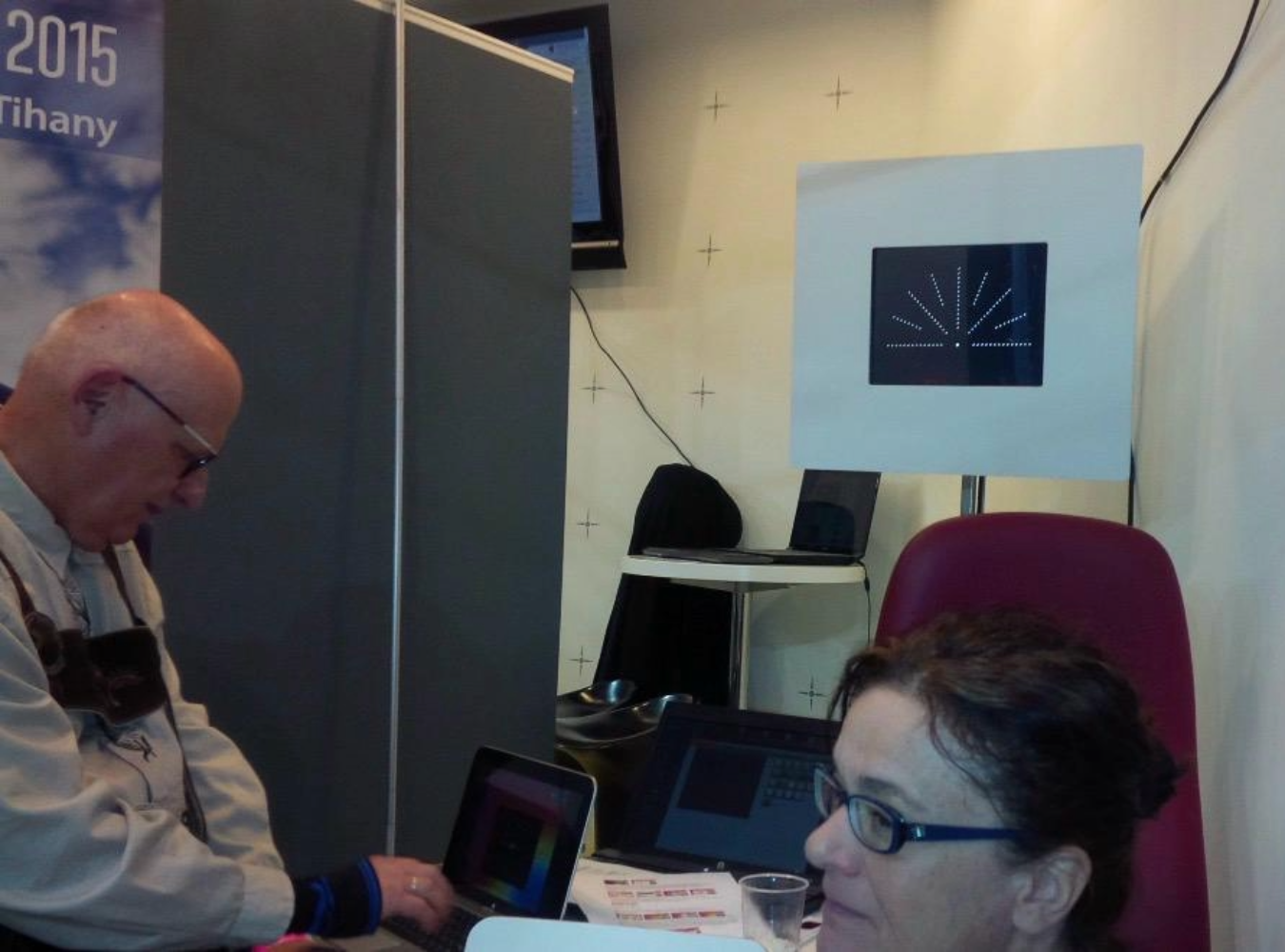
I took my first steps in this direction in 2014. Binocular vision testing is based on the MKH method, created by Haase in 1953 and later developed by Zeiss with the well-known Polatest in 1959.
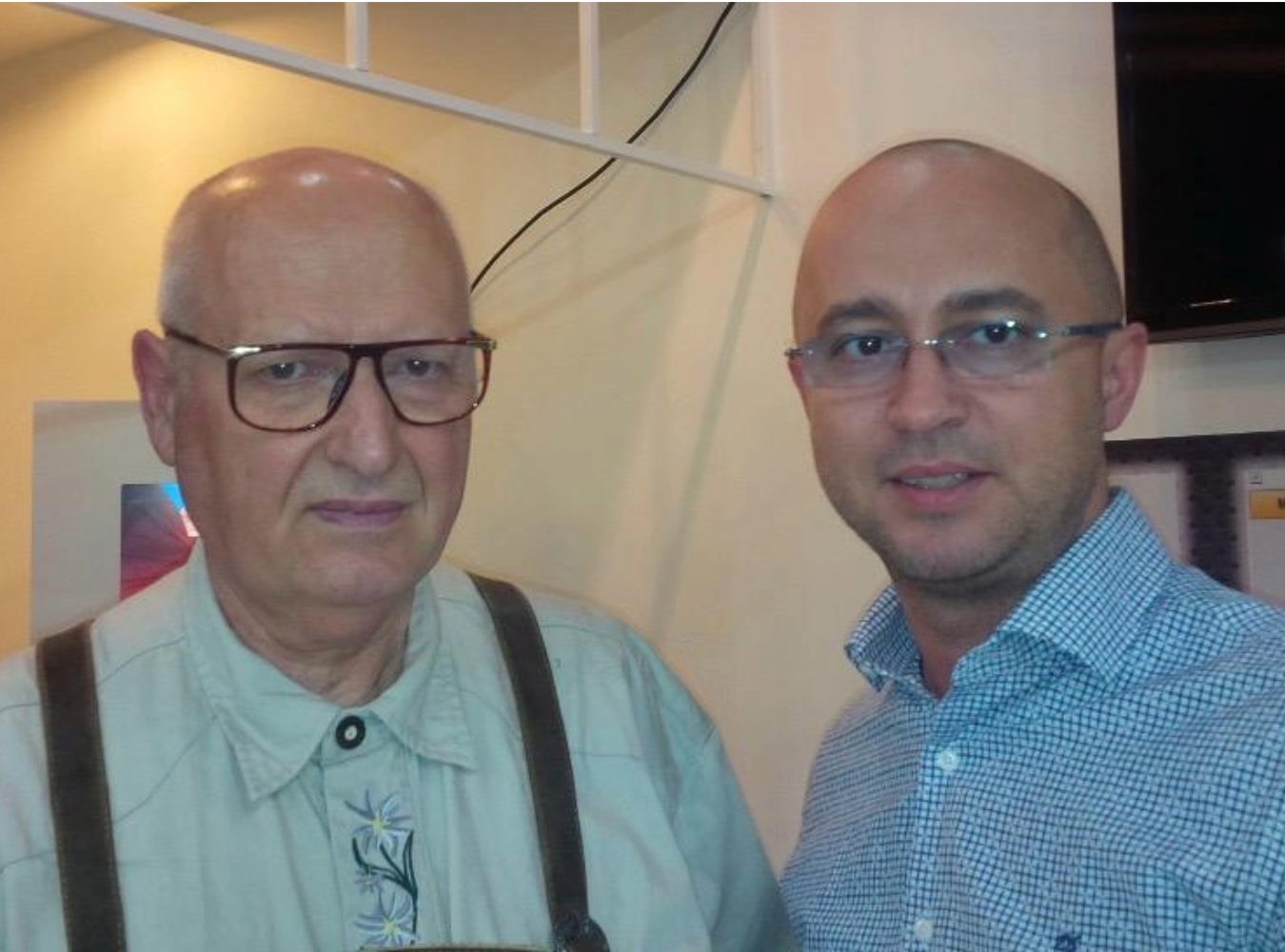
The real leap came in 2015, when I was invited to a small, intensive course led by Edi Posch, a renowned Austrian optometrist who helped develop this technique. In just a few hours, I filled more than eight pages with technical tips and practical details from his 40 years of experience. Those nuances helped me, in my day-to-day practice, to understand exactly the clinical cases I couldn’t make sense of before.
Today, I estimate that a large share of glasses wearers have binocular vision problems. Because nobody tests for them, they go undiagnosed, and we see this every day in patients who come to us for the first time.
If you recognise yourself in the symptoms above, or you have glasses you just can’t get used to, I recommend a specialised eye examination. Healthy vision is about more than your prescription.
Book now by calling 0771 222 333 or using the form below!